Showing posts with label movie review. Show all posts

Sunday, June 23, 2024

Film Review: A PERFECT MURDER (1998) *** and a 1\2 out of *****

Remaking classics is an unenviable task. Be too reverent to the original, and you are accused of being lazy. Deviate too much, and you can be criticized for being disrespectful.

Remaking Hitchcock, on the other hand, is a near impossible task. As Hitchcock is almost universally hailed as one of the greatest, if not the greatest, filmmaker of all time.

Most sane filmmakers avoid that choice, and those who take the plunge, mostly fail miserably. Gus Van Sant's 1998 remake of Psycho being a case in point.

1998's A Perfect Murder, is a surprising exception.

Based on the same Frederick Knott play that Hitchcock's 1954 Dial M For Murder was based on, A Perfect Murder achieves the almost impossible. It is a remake of a Hitchcock film that is superior to the original in every way.

At first glance, that assessment may seem hyperbolic, but a closer and honest look at Hitchcock's original film reveals more.

Dial M For Murder is, arguably, one of the master filmmaker's blandest and sloppiest films. Hitchcock, who always liked a challenge, tried to turn the original play the film was based on into what he termed, “pure cinema”. But, alas, Hitchcock failed on almost every front. Dial M For Murder comes off as stagy, stiff, and surprisingly boring, a rare misfire from the master of suspense. The only real high point in the whole film is Ray Milland's wonderful performance, a nasty but never hammy exercise in sheer, dark charisma.

A Perfect Murder, adapted by Patrick Smith Kelly, and directed by veteran action director Andrew Davis, is one of those rare modern Hollywood movies in which the ingredients gel, and everyone involved perform way above their pay grade.

Davis, mainly known for his action pictures in the 1980s, and the 1993 blockbuster The Fugitive starring Harrison Ford, had nothing in his oeuvre to indicate that he was capable of making a film like A Perfect Murder, an elegant, lean, and tremendously assured thriller.

The concept is the same as in the Hitchcock original. An aging man about to lose his fortune hires his wife's lover to kill her so he can inherit her considerable estate. He meticulously plans her murder, thinking nothing would go wrong. But things do go wrong, and a cat and mouse game ensues.

While Dial M For Murder was talky and stagy, A Perfect Murder is visually-driven and kinetic. Dial M For Murder comes off as bland and slow. A Perfect Murder, on the other hand, is stylish and compelling. And while Michael Douglas doesn't come close to Ray Milland's mesmerizing portrayal, he delivers an assured and understated performance, arguably one of the best of his career.

Gwyneth Paltrow as the wife doesn't fare much better than Grace Kelly did in the original, as, in both movies, the character is underwritten and uninteresting, mostly a mcguffin to get things rolling.

Viggo Mortensen as the lover fares better, delivering an enjoyable performance that does much with very little.

But the real star here is director Andrew Davis, who delivers a near classic late in his career, the kind of stylish, lean thriller no one could have expected from the journeyman director. Here, Davis is in complete control of the material, crafting a film that hums along so well, it deceptively hides the scope of his achievement, which is making the kind of film that is mostly a lost art. The elegant, twisty, and far-fetched thriller that could only come out of Hollywood at its best.

And while the script by Patrick Smith Kelly works well enough, it isn't perfect, with a somewhat problematic third act, and the bizarre inclusion of a middle-eastern detective, played with jarring portentousness by David Suchet.

But these are minor quibbles. A Perfect Murder is pure, high-caliber entertainment, and one which should not be missed by fans of classic thrillers.

Text © Ahmed Khalifa. 2024.

Video Version:


Tuesday, March 26, 2024

Movie Review: IT STAINS THE SANDS RED (2016) *** and a 1\2 out of *****

Amidst the numerous movies and TV shows released in the wake of The Walking Dead’s success, one stands out.

It Stains The Sands Red, released in 2016, takes the zombie movie template and energizes it in many subtle and inventive ways.

Directed by Colin Minihan, and written by Minihan and Stuart Ortiz, It Stains The Sands Red, uses its modest budget and limited locations to great effect. But the secret ingredient, is actress Brittany Allen.

Allen, playing Molly, a lost soul who drowns her sorrows in booze and toxic men, delivers a performance that's nothing short of dazzling.

Her character, a quote unquote bimbo, who, after being left stranded in the deserts of Las Vegas, with a tenacious zombie on her tail, could have become an annoying, tiresome character, in the hands of a less capable actress.

But Allen takes the role and runs with it, delivering a portrayal that is equal parts funny and moving.

Director Minihan, milking the minimalist concept for all its worth, directs the film with a keen eye for visuals, and a deft handling of pacing and tone. This is basically a two-hander, between Allen's character, Molly, and the zombie chasing her, nicknamed Smalls, terrifically played by Juan Riedinger. And in the hands of Minihan, the film stays compelling, moody, and superbly entertaining.

There are a few dull moments in the middle section, and the sequence with the two prison escapees comes off as off key and gratuitous, but, for the most part, It Stains The Sands Red, manages to utilize the zombie genre playbook to its advantage, while adding depth, pathos, and plenty of invention, to create a mesmerizing tale of survival and redemption.

Text © Ahmed Khalifa. 2024.

Watch/Listen to the video version:


Movie Review: DOG GONE (2023) *** and a 1\2 out of *****

Netflix isn’t exactly known for its quality family content.

But every once in a while, they seem to make a genuinely family-friendly show or movie that wears its heart on its sleeve, and seems to have no agenda but to entertain, and provide something that family members can enjoy together.

Their delightful reboot of the Benji franchise, released in 2018, and directed by Brandon Camp, the son of the late Joe Camp, the creator of the original franchise, was one such movie.

Another pleasant surprise is Dog Gone, released in 2023.

Adapted by Nick Santora from the book Dog Gone: A Lost Pet's Extraordinary Journey and the Family Who Brought Him Home by Pauls Toutonghi, and directed by veteran director Stephen Herek, Dog Gone, is one of the best family movies to come out of Hollywood in years.

The plot revolves around a father-son duo, who start to overcome their differences while hiking the Appalachian Trail, as they search for their lost dog, Gonker, so they can give him the monthly medicine he needs to survive Addison's disease.

The father-son duo, played respectively by Rob Lowe and Johnny Berchtold, form the heart of the movie. The son, Fielding, sees himself as a free spirit who doesn’t want to be hemmed in by traditions and the 9 to 5 rat race. While the father, John, wonderfully played by Lowe, sees his son as an unrealistic dreamer, head in the clouds, who doesn’t want to face the realities of everyday life, and what it takes to build a steady career.

Their conflict, while cliched, is handled with subtlety and just the right amount of humor, making us care for both characters while acknowledging their foibles and philosophical blind spots.

The script by Santora is surprisingly taut and layered, delivering a story that entertains without being frivolous, lets us get to know the characters without drowning us in exposition, and, most importantly, moves us without veering into overt sentimentality.

But the film’s secret weapon is Rob Lowe, who, as actor and co-producer, manages to instill the film with just the right tone. His performance anchors the film in both humor and drama while never losing a step, and it is Lowe who carries the film through with plenty of charm and craftsmanship.

And Kimberly Williams, a veteran of family films, who manages to add energy and heart to almost everything she is in, also gives an endearing and memorable performance as Fielding’s mother, Ginny.

Berchtold, while delivering a likable and believable performance as Fielding, seems slightly miscast, as the role needed someone funnier and warmer. But his portrayal is nothing less than heartfelt, and his chemistry with Lowe is undeniable.

And thanks to director Stephen Herek’s assured and straightforward direction, Dog Gone comes across as visually arresting and terrifically paced, and moves smoothly from one plot twist to another.

With Dog Gone, Herek, who also directed the live-action adaptation of 101 Dalmatians, manages to make a family movie par excellence, the kind of film the modern day Disney studio wishes it could pull off.

Dog Gone is heart-warming, smart entertainment for the whole family, the kind they don’t make enough of nowadays.

Text © Ahmed Khalifa. 2024.

Watch/Listen to the video version:


Thursday, February 22, 2024

Film Review: KING OF NEW YORK (1990) *** and a 1\2 out of *****

Abel Ferrara is a maverick. Ever since he burst onto the scene in 1979, with his controversial punk slasher, Driller Killer, he has been making movies that are, in turn, stylish, thought-provoking, repulsive, and always fascinating.

Ferrara, dubbed the poet gangster of cinema, by actor Laurence Fishburne, has a tendency to overdo, to push things too far, sometimes to the detriment of the picture. But he rarely makes a film that is without merit, and is an artist to be reckoned with.

King of New York, released in 1990, is one of Abel Ferrara’s most accessible films. Part crime thriller, part social drama, it’s a strange and mesmerizing mishmash of genres and styles that is nothing short of compelling.

Frank White, played by a hypnotic Christopher Walken, is a former drug lord who returns to New York city after being released from prison, seeking to take total control of the criminal underworld, in order to give back to the community and help the poor of the city.

White, as played by Walken, is a fascinating character. Imagined by Ferrara to be a cross between Nicky Barnes, a Harlem gangster, and Joey Gallo, an Italian mobster, White is a brutal, complex figure, who revels in using force and violence, while seeing himself as a kind of dark knight in shining armor, who gives the poor and the lost, especially from black neighborhoods, a second chance, by recruiting them for his drug operation. He is an ends justify the means kind of guy, who would stop at nothing to achieve his goal.

Ferrara, and writer Nicholas St. John, try to tell a multifaceted story about the drug wars, government corruption, loyalty, and personal courage in the face of evil, and fill the film with characters that range from the realistic to the cartoonish.

Despite being shot quickly and on a modest budget of 5 point 3 million dollars, Ferrara, a visual stylist extraordinaire, manages to portray New York in the film in a way that is rarely shown in movies. As a beautiful, nocturnal landscape. Part noirish dream, part hellish nightmare. His vision of drug cartels as a kind of dressed to the nines tribal groups, who mostly speak through guns and violence, is alluring but somewhat fantastical, and his tendency to linger on the seedier aspects of criminal life borders on the distasteful.

But that is Ferrara’s style. Plenty of style, a dash of philosophical musing, and a touch of vulgarity. It’s a potent if not always palpable mix, that nonetheless makes his movies look and feel like no one else’s.

The terrific cast, led by Walken at his most ebullient and eccentric, includes an understated Wesley Snipes, and Laurence Fishburne, in an over the top but highly enjoyable performance.

Upon release, the film was criticized for its violence, and rightly so. As Ferrara’s tendency to push things too far and let some scenes overstay their welcome, is present here. And the sprawling story, covering a multitude of issues and characters in under two hours, make the film feel unevenly paced and, to some degree, tonally erratic. But these flaws don’t take away from the overall effect of the film, which is to mesmerize and captivate.

With the glut of movies made about the drug lords in the 1990s, King of New York stands out, because of its style, its sheer visual and aural power. It grabs you, and doesn’t let go, right up to its haunting final shot.

Text © Ahmed Khalifa. 2024.

Video Version:

Friday, August 25, 2023

Film Review: NEFARIOUS (2023) 2 and a half out of 5 stars.

A serial killer on death row. The day of his scheduled execution. A state-appointed psychiatrist comes to evaluate the killer's mental competency. If the inmate is found insane, a stay of execution will be issued. Problem is, the killer claims to be possessed by a demon named Nefarious, a manipulative evil entity that is out to spread a “dark gospel” to all of humanity. What follows is a psychological/philosophical game of cat and mouse between the psychiatrist, a man of science and an atheist, and an ingenious killer who may or may not be a servant of hell.

Nefarious (2023) has, excuse the pun, one hell of a set-up. Too bad it doesn't deliver.

From the opening scene, which features a not so subtle hint that there are otherworldly forces at play, it’s obvious that the filmmakers aren't really in total control of the film's tone. The main crux of the film is the discourse between the psychiatrist and the inmate. Such a set-up depends mainly on the quality of the dialogue and performances. In Nefarious' case, both are sadly lacking.

Sean Patrick Flannery, a capable and versatile actor, delivers a twitchy, grating performance as the killer slash demon, and his dialogue is so on the nose about the film's message of a new dark age brought about by corrupt institutions and radical leftist ideology, that by the midway point, the film has little to offer. Jordan Belfi, on the other hand, is miscast as the slick, complacent psychiatrist, whose materialist worldview is seemingly no match for the spiritual maneuvering of the killer. While the script does little to add depth to either character, or provide any plot twists that haven't already been done to death.

The direction, by writing/directing team Chuck Konzelman and Cary Solomon, is competent but uninspired, giving the film an amateurish, bland feel, mainly due to a lack of atmosphere and an engaging sound design, both of which are musts for a film of this genre.

I went into Nefarious really wanting to like it, as I'm always on the side of a good independent film that has the courage to go against the mainstream. But Nefarious is a hard film to defend, as it commits the cardinal sin of most faith-based, and rigidly ideological films: it preaches to the choir, while not doing enough to win over viewers with different politics or worldviews.

Text © Ahmed Khalifa. 2023.

Video Version:


Ahmed Khalifa is a filmmaker and novelist. He is the writer/director of several short films and a feature, which was released on Netflix, and the author of a number of novels and short stories, including the YA horror novel, Beware The Stranger, available on Amazon. He is also the host of The Dark Fantastic Podcast. Find him on Twitter @AFKhalifa and on Facebook @DFantasticPodcast

The Dark Fantastic is sponsored by VHS Books:


Wednesday, August 16, 2023

Film Review: SYMPATHY FOR THE DEVIL (2023). 3 out of 5.

The less you know about Sympathy For The Devil (2023), the better.

That’s not to say that the plot is full of surprises, or that it’s somehow original. But the enjoyment of this kind of movie, centered on two characters, and structured around unraveling their pasts at a leisurely pace, depends on the viewer going in cold.

The plot: a meek middle-aged man (Joel Kinneman) on his way to the hospital for the birth of his second child, gets taken hostage at gunpoint by an unstable stranger dressed in red (Nicolas Cage). Under the stranger’s direction, they go on the road to destinations unknown. By the end of the journey, one of them will be dead.

It’s an intriguing, reliable concept, and director Yuval Adler handles it well enough, while Kinneman delivers a good performance as an everyday man in over his head, facing an almost demonic villain, played with enjoyable ferocity by Cage.

Problem is, everything about the film comes off as uneven. While Adler manages to create a compelling watching experience that has a certain mood, he doesn’t really have total command of the film’s tone. The film begins as a serious psychological thriller with existential undertones, then veers into standard revenge thriller territory, with Cage both enlivening and confusing matters with a bonkers performance that seems to promise revelations that never come.

The ending is not exactly surprising for this type of story, and seems to hint at some kind of religious/spiritual subtext that must have got lost in the way.

In the end, Sympathy For The Devil is a flawed but compelling night journey into the pasts of haunted men.

Text © Ahmed Khalifa. 2023.

Watch or Listen to the video version:


Ahmed Khalifa is a filmmaker and novelist. He is the writer/director of several short films and a feature, which was released on Netflix, and the author of a number of novels and short stories, including the YA horror novel, Beware The Stranger, available on Amazon. He is also the host of The Dark Fantastic Podcast. Find him on Twitter @AFKhalifa and on Facebook @DFantasticPodcast

The Dark Fantastic is sponsored by VHS Books:


Thursday, June 29, 2023

Film Review: EVIL DEAD RISE (2023) *** out of *****

In 1980, Sam Raimi and company created a singular filmmaking experience that was visceral, stylish, and a bit insane. The Evil Dead, released in 1981, was a commercial and critical hit, launching the careers of director Sam Raimi, producer Robert Tapert, and actor Bruce Campbell. Two sequels followed, each wilder than the one before it, followed twenty years later by a stunning remake/sequel in 2013, directed by Fede Alvarez, and with creative input from Raimi and his team.

Now, more than forty years after the release of the original, comes Evil Dead Rise (2023), a loose sequel/reboot set in a crumbling high rise.

Written and directed by Lee Cronin, Evil Dead Rise is a disappointment on almost all fronts, taking a franchise that is known for its originality and energy, and delivering a competent but bland and forgettable entry that seems more interested in subtext than scares.

A few years ago, when it was announced that Cronin would be the next filmmaker chosen to play in the Evil Dead sandbox, I was genuinely surprised. Cronin’s only feature, The Hole in The Ground, is a depressing, dour, and pretty style-less horror drama. Watching it, you never get the sense that Cronin - whose humorless, neo-goth style is pretty at odds with everything Evil Dead is known for - is not the right filmmaker for the job. Evil Dead Rise proves it.

Cronin’s script transports the proceedings from a cabin in the woods, to a dilapidated high rise in a bad neighborhood, another isolated setting in which the deadites, the evil spirits of the unholy book, the necronomicon, can wreak havoc.

But the setting is never used to its fullest potential. Instead, Cronin presents us with a single mother, whose tattoos and snarky attitude is supposed to make her “a strong female character”, I suppose. But since she isn’t developed in any meaningful way, and seems bored of her own children, she just comes off as extremely unlikable. As for the rest of the characters, they barely make a dent in one’s memory. Just more fodder for the cannon.

And Cronin seems to be intent on taking the franchise into a sort of po-faced, emo direction, resulting in one dour viewing experience. Because, as any good storyteller knows, if you want to get serious, you need to have likable, relatable characters that the audience can root for, that the audience can feel for when they get hurt, or maimed, or dismembered, things that Cronin subjects his cast of characters to relentlessly.

And then there’s the muddled subtext about feminism, fear of motherhood, “the male gaze”, and other heady subjects, which have no place in The Evil Dead franchise, which has alway been about terror, imagination, and style over substance. As for gender-swapping, The 2013 Evil Dead remake already did it, and did it wonderfully, under the guidance of writer/director Alvarez, who delivered a sleek, punchy Evil Dead entry that hit all the right notes and then some, while exuding plenty of energy and originality. In other words, it was both contemporary and timeless. Both respectful to the original, and intent on creating something new. Cronin’s film doesn’t have any of that. Instead, it’s just another well-made horror movie with plenty of gore and technical trickery, but no heart or soul. Just plenty of posturing, faux sentimentality, and one hell of a downer streak.

Evil Dead Rise is not a worthy addition to the series. Hell, it barely feels like an Evil Dead movie at all.

And while The Evil Dead movies have always been more about style than substance, Evil Dead Rise ends up having little substance, and even less style.

Text © Ahmed Khalifa. 2023.

Listen to/Watch the video version here:

Friday, December 16, 2022

Film Review: Into The West (1992) *** out of *****

Written by Oscar nominated filmmaker Jim Sheridan, and directed by Mike Newell, the director of Harry Potter and The Goblet of Fire, and Four Weddings and a Funeral, Into The West (1992) , released in 1992, is a charming little family film that comes across as something Anthony Trollope might have written, with a dash of magical realism thrown in for good measure.

The story follows two young boys, Tito and Ossie, and their adventures when a beautiful white pony suddenly emerges out of nowhere and into their lives.

This was Director Mike Newell’s first foray into fantasy, years before finding massive success with Harry Potter and The Goblet of Fire (2005).

The film’s first half is almost flawless, depicting the poor with humor, humanity, and a dignity rarely seen in mainstream movies and the score by Patrick Doyle is gorgeous. But the second half stumbles quite a bit, with the villains coming off as mere caricatures, and the plot getting more and more far fetched and lazy.

But this is a sentimental, warm-hearted film for all the family, and one which has many moments of true magic.

Text © Ahmed Khalifa. 2022.

Ahmed Khalifa is a filmmaker and novelist. He is the writer/director of several short films and a feature, which was released on Netflix, and the author of a number of novels and short stories, including the YA horror novel, Beware The Stranger, available on Amazon. He is also the host of The Dark Fantastic Podcast. Find him on Twitter @AFKhalifa and on Facebook @DFantasticPodcast

Watch/Listen to the video version:


Thursday, November 17, 2022

Film Review: LOOKING FOR MR. GOODBAR (1977) ** and a 1\2 out of *****

 
(C) Paramount.
Released to much critical acclaim and box-office success, Looking For Mr. Goodbar (1977) encapsulates everything that was wrong with the excesses of 1970's cinema. Adapted from the controversial novel of the same name, Looking For Mr. Goodbar tells the story of Theresa, a young schoolteacher in 1970's San Francisco, who rebels against her strict Catholic upbringing by slowly descending into a life of casual sex, drugs, and bohemianism.

Richard Brooks, who adapted the novel for the screen, directs with a grimy, uncontrolled style, delivering a film that is morally and psychologically shallow, shrill, and borderline repugnant. Exploitive to the core, every minority under the sun is portrayed as either a victim or unstable, and Brooks' attempt at being "hip", by drowning the film in disco tunes and jump cuts, made the film look dated as soon as it was released.

Much has been said about Diane Keaton's performance as Theresa, the sexually adventurous/aggressive protagonist, and it is true that Keaton delivers a mesmerizing performance, but it is also a smug one, and a portrayal that doesn't wholly gel with the writing, producing a character that is equal parts unlikable and tragic. A young Richard Gere as a hyperactive gigolo, and Tom Berenger as a troubled and sexually confused ex-con, are the true scene-stealers in the film.

The epitome of 1970's "socially-conscious" dramas, this is a dated and unredeeming descent into nihilism and ugliness that is not deserving of its praise. Maybe that's the reason why the film has been so hard to find for many decades.

Text © Ahmed Khalifa. 2022.

Ahmed Khalifa is a filmmaker and novelist. He is the writer/director of several short films and a feature, which was released on Netflix, and the author of a number of novels and short stories, including the YA horror novel, Beware The Stranger, available on Amazon. He is also the host of The Dark Fantastic Podcast. Find him on Twitter @AFKhalifa and on Facebook @DFantasticPodcast

Watch/Listen to Review here:

Friday, November 11, 2022

Film Review: ROB ZOMBIE'S HALLOWEEN II (2009) *** and a 1\2 out of *****

(c) Dimension
While Rob Zombie's remake of John Carpenter's original was a fierce and stylish film, Zombie's second time out is, well, something else entirely. With Halloween (2007), Zombie proved he could deliver one helluva an entertaining and scary film, and he managed to add enough new touches to the story to make it feel fresh and updated. But the fact remained that Halloween was, more or less, indebted to Carpenter's vision, and followed the same story, yet with what you might call revisions. What Zombie achieves with Halloween II is to make a film that's entirely his own, taking the Michael Myers mythos in a completely new direction, which is, for better or for worse, startlingly original.

The Plot: After barely surviving her battle with her brother, mass murderer Michael Myers, Laurie Strode tries to go on with her life. But her mind has been deeply scarred by her experiences, and after seeing visions of a still living Myers roaming about, continuing his killing spree, she begins to doubt her sanity. Meanwhile, Michael Myers, whose body was never found, turns out to be alive, and as he is haunted by visions of his dead mother and his younger self urging him to finish his work and "go home", he embarks on a journey back to Haddonfield and his sister, Laurie, whom he intends to kill in order for them all to be united in death as a family.

As the synopsis shows, Zombie takes the story in a bizarre direction, turning Laurie and Michael's tale into a twisted psychological drama, with hallucinatory visions and revelations that add an arguably supernatural bent to the story. But, in truth, one is never completely sure what Zombie is trying to do or say with this film, as the plot is confused, confusing and occasionally repetitive, and the tone of the film is unrelentingly grim.

But despite all that, Zombie succeeds in creating a stylish, visually lush, and narratively adventurous film that is unlike anything that has come before it in the long-running series. And the downbeat and disturbing ending packs a wallop and brings the story to a somewhat satisfying close.

Text © Ahmed Khalifa. 2022.

Ahmed Khalifa is a filmmaker and novelist. He is the writer/director of several short films and a feature, which was released on Netflix, and the author of a number of novels and short stories, including the YA horror novel, Beware The Stranger, available on Amazon. He is also the host of The Dark Fantastic Podcast. Find him on Twitter @AFKhalifa and on Facebook @DFantasticPodcast

Film review: ROB ZOMBIE'S HALLOWEEN (2007) *** out of *****

(c) Dimension

Rob Zombie's remake of John Carpenter's classic slasher film, is a strange beast. It tries to distance itself from the original's aesthetics, yet generously borrows from that film's plot devices, especially in the third act. Add to that a mediocre first act, a trashy second, and liberal doses of gratuitous violence and nudity, and you get a mostly uneven film.

That is, until the climax.

Zombie takes the ending of the original, combines it with a plot element from the sequel to Carpenter's original (also penned by Carpenter), and delivers a whopper of an ending.

Also, Zombie's take on Sam Loomis' character (the Van Helsing-type character that was Michael Myers' psychiatrist and, later, the one who hunts him down) is interesting and inventive, and is bolstered by Michael McDowell's charismatic portrayal of the character.

So, is it better or worse than the original? The answer is: it is a stylish, effective, shocking addition to the Michael Myers mythos, and it's way better than most of the sequels to the original.

Text © Ahmed Khalifa. 2022.

Ahmed Khalifa is a filmmaker and novelist. He is the writer/director of several short films and a feature, which was released on Netflix, and the author of a number of novels and short stories, including the YA horror novel, Beware The Stranger, available on Amazon. He is also the host of The Dark Fantastic Podcast. Find him on Twitter @AFKhalifa and on Facebook @DFantasticPodcast

Wednesday, October 19, 2022

Halloweens, Abominations, and Fan Expectations


I remember back in October of 2018, when I was sitting in a movie theater, waiting with bated breath for the lights to go down and the credits to roll. It had been a long wait, a wait of decades, to get the so-called definitive sequel to 1978’s Halloween, endorsed by John Carpenter, and starring the original scream queen herself, Jamie Lee Curtis.

Then the lights dimmed, the movie started, and, well, reality set in. About fifteen minutes into 2018’s Halloween, co-written and directed by David Gordon Green, I started to get this feeling that something was off. The film looked bland, had no discernible style, had no mood, only a kind of ugliness and a nasty attitude that rubbed me the wrong way. And as the end credits rolled, I felt so disappointed it almost hurt.

As a lifelong fan of the Halloween franchise, and of Carpenter’s oeuvre, I found Green’s Halloween to be the antithesis of the original Halloween. Where the original was atmospheric, elegant, stylish, and nuanced, this “reboot” was style-less, crude, vulgar, and smug. And, for the record, I really liked Rob Zombie’s take on Halloween, which was basically a white-trash/American Gothic version of Carpenter’s original, so it wasn’t like I wasn’t open to a little edge, a little grime, to spice things up.

Then came Halloween Kills, a trite, crass follow-up that amps up the violence to sickening levels, throwing everything but the kitchen sink in a cynical attempt to appeal to the lowest common denominator. While Green's Halloween script's left something to be desired, the writing in Halloween Kills is, for the most part, abysmal, with characters speaking stiff dialogue and acting in ways that defy all logic. I’m not even going to get into that timely “message” about mob violence.

Then came the finale, Halloween Ends, a smug, terribly written film which drags the Laurie Strode character through the mud, features one of the most self-indulgent and poorly conceived plotlines in the history of the franchise, and which is executed with the subtlety of a sledge-hammer. Even if Halloween Kills is technically more accomplished and stylistically less crude than its predecessors, it’s still a crushing disappointment, and a terrible ending to an abomination of a trilogy.

I’m being too harsh, you say? Surely, David Gordon Green’s trilogy is better than the bizarre Halloween 5 (1989) or the ludicrously plotted Halloween 6: The Curse of Michael Myers? Not really. Those films were basically low budget, quickly shot sequels without backing from a major studio, and didn’t have any input from Carpenter or Curtis. And they certainly weren’t produced by an Oscar-winning production company.

Gordon’s Halloween trilogy boasts higher budgets, a number of high-caliber screenwriters, backing by Universal and Blumhouse, and “input” from Carpenter himself. Gordon and company had every resource at their disposal to make good movies. They didn’t. What they delivered were three cynical, downbeat films, each worse than the one that came before it. Gordon and his team seem to be more interested in being edgy and abrasive, than in delivering legacy sequels that respect the franchise and the audience.

A big part of the blame has to fall on Carpenter’s shoulders, who has been constantly promoting this trilogy for four years, calling Green a great filmmaker, and praising the films to high heaven, which made fans, like myself, have sky-high expectations. One has to wonder if Carpenter’s self-confessed delight at receiving checks for doing nothing has something to do with it.

For me, after four years of waiting, watching, and enduring these films, I’m going to dim the lights, grab a bowl of popcorn, and watch a film that Carpenter has called an abomination. But, for my money, Halloween II (1981) beats the hell out of Gordon’s trilogy, a real abomination, any day of the week.


Text © Ahmed Khalifa. 2022.

Ahmed Khalifa is a filmmaker and novelist. He is the writer/director of several short films and a feature, which was released on Netflix, and the author of a number of novels and short stories, including the YA horror novel, Beware The Stranger, available on Amazon. He is also the host of The Dark Fantastic Podcast. Find him on Twitter @AFKhalifa and on Facebook @DFantasticPodcast

Tuesday, October 11, 2022

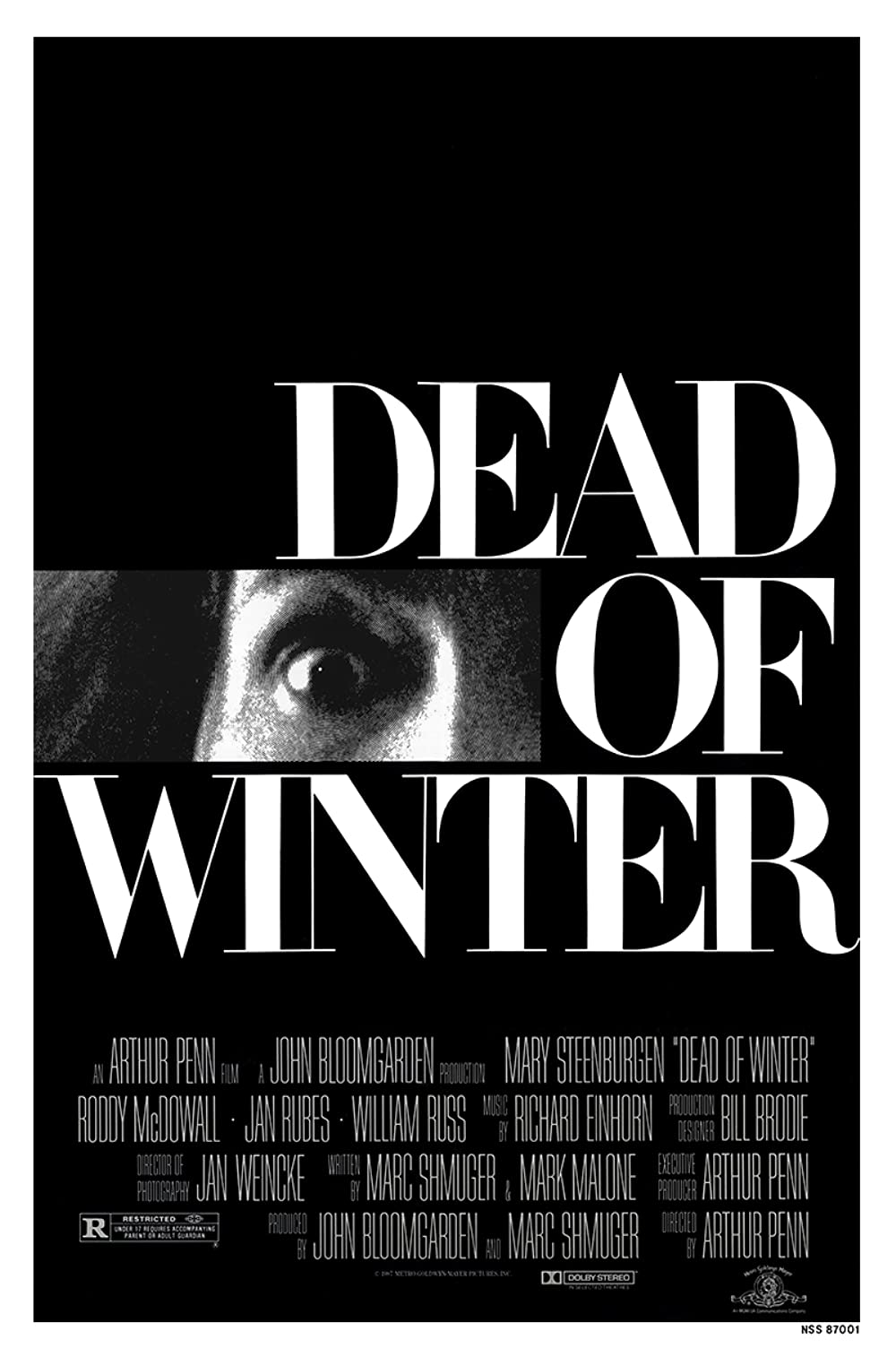
Quick Review: DEAD OF WINTER (1987) *** and a 1\2 out of *****

Compelling, atmospheric Gothic mystery, dripping with mood and menace, about a young, struggling actress getting embroiled with a couple of disturbed elderly men in an isolated old house during a winter storm. Roddy McDowell is terrific as a servile but unhinged assistant to Jan Rubes' charming - and over-the-top - psychopath. Arthur Penn directs with a steady hand, with lots of sly nods to Hitchcock, and Mary Steenburgen gives one of her better performances. The climax goes all-out Gothic shocker, and devolves into silliness, but, overall, this is a timeless suspense piece that is good for a chilly winter's night.


* A loose remake of Joseph H. Lewis's My Name Is Julia Ross (1945).

Text © Ahmed Khalifa. 2022.

Watch/Listen to review here:


Ahmed Khalifa is a filmmaker and novelist. He is the writer/director of several short films and a feature, which was released on Netflix, and the author of a number of novels and short stories, including the YA horror novel, Beware The Stranger, available on Amazon. He is also the host of The Dark Fantastic Podcast. Find him on Twitter @AFKhalifa and on Facebook @DFantasticPodcast

Sunday, July 24, 2022

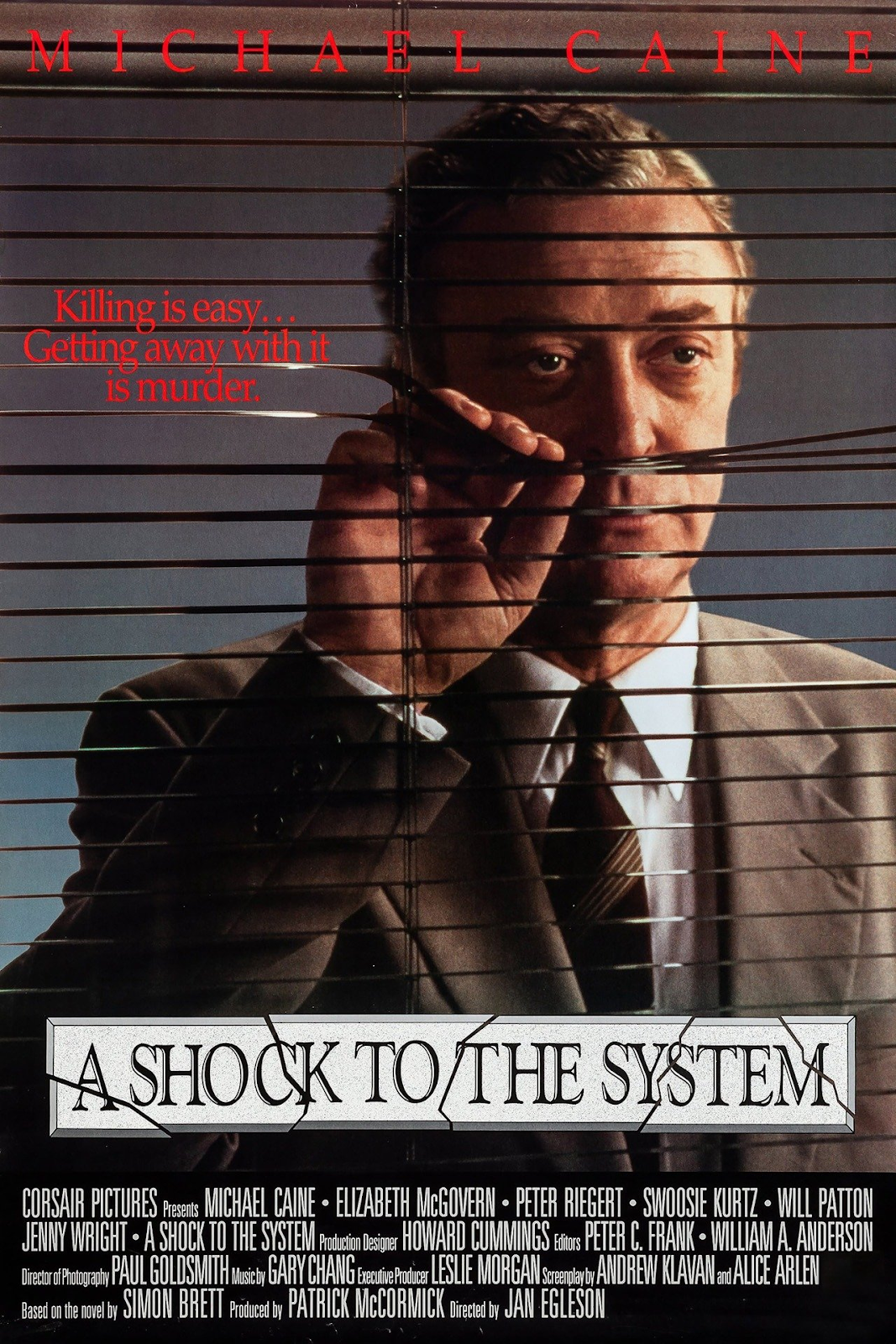
Movie Review: A SHOCK TO THE SYSTEM (1990) **** out of *****

(C) Corsair Pictures.

Adapted for the screen by Andrew Klavan (from a novel by Simon Brett), and directed by TV and stage veteran Jan Egleson, A Shock to The System (1990) is a strange creature: a Hollywood movie made at the tail-end of the Regan years, yet one that approaches its subject matter - greed - with a subtlety and wit rarely found in the reactionary filmmaking of that era.

The premise is simple: Graham Marshall (Michael Caine), a middle-aged, modestly ambitious man, leads a moderately successful life, both professionally and personally. But when he is passed over for promotion by a brash and much younger colleague, he is shocked. And, slowly, Graham finds himself being drawn to a darker way of doing things, as he slowly but surely reaps the rewards of his misdeeds and climbs the corporate ladder.
The story, of the older, meek man slowly going dark, is a hoary, tired concept that, by the 1990s, had been done to death. But in the hands of screenwriter Klavan and director Egleson, this exhausted concept becomes fresh, compelling, and wryly funny. Egleson's direction, in particular, is so steady, so visually elegant, that it lends both the darker and darkly funny aspects of the script a surprisingly refined tone, making A Shock to The System one of the best films about corporate greed to ever come out of Hollywood.

But writing and direction aside, this is Michael Caine's show, as he takes a difficult role, and one which could have easily become a grating caricature in the hands of a less capable actor, and turns it into a believable, charming, and disturbing character that is always threatening to spiral out of control into the realm of the absurd, but never does. With dry humor and tremendous restraint, Caine portrays Graham as a man who gets a taste of evil by accident, and, as a result, transforms his life into a marvel of devious design; a man who sees himself as some sort of dark sorcerer who has found the keys to the world.

Yes, some of the twists and turns are a bit far-fetched, and Egleson lays it on a bit thick when it comes to depicting what greed has done to the New York city of the 1980s and 90s. But, for the most part, A Shock to The System tells a riveting tale about the decay of corporate culture, and how a new generation of morally bankrupt over-achievers created a system that breeds greed and immorality. And like its corrupt protagonist, A Shock to The System manages to fulfill its ambitions so well, it's almost a magic act.

Watch/Listen to review here:


Text © Ahmed Khalifa. 2022.

Ahmed Khalifa is a filmmaker and novelist. He is the writer/director of several short films and a feature, which was released on Netflix, and the author of a number of novels and short stories, including the YA horror novel, Beware The Stranger, available on Amazon. He is also the host of The Dark Fantastic Podcast. Find him on Twitter @AFKhalifa and on Facebook @DFantasticPodcast

The Dark Fantastic is sponsored by VHS Books:


Thursday, July 21, 2022

Movie Review: THE BLACK PHONE (2022) *** and a 1\2 out of *****

(c) Universal/Blumhouse.

Scott Derrickson co-wrote and directed Sinister (2012) one of the scariest movies ever made. But he also co-wrote Sinister 2 (2015), a deeply disappointing sequel, and co-wrote and directed Doctor Strange (2016), a bland and forgettable Marvel extravaganza. The Black Phone (2022), Derrickson's seventh feature film, is one of his better efforts. It's compelling, hits plenty of emotional notes, and features a disturbing villain.

Loosely based on a short story by Joe Hill, the movie revolves around Finney Shaw, a shy 13-year-old boy living with an abusive, alcoholic father. When he's abducted by a sadistic killer and trapped in a soundproof basement, he feels helpless and close to death. Then, suddenly, a disconnected phone on the wall rings, and Finney discovers that he can hear the voices of the killer’s previous victims. It's a helluva hook, and Derrickson milks it for all its worth, delivering a number of tense and disturbing sequences, as Finney tries to find a way out before his abductor strikes.

But a strong hook aside, The Black Phone has its share of problems. With the exception of Finney, wonderfully played by Mason Thames, and Robin, memorably portrayed by Miguel Cazarez Mora, the rest of the characters are little more than the sum of their parts, with each character seeming to be there to catalyze a plot point or fulfill an emotional beat, while the villain, The Grabber, played by a game Ethan Hawke, comes off as two-dimensional and unoriginal. The plotting is also creaky, with storylines coming and going, as if there are three different movies taking place at the same time, resulting in a story that never really gels. And for a film about survival and overcoming, the tone is relentlessly dour. And even when a light finally shines at the end of the tunnel, it isn't as uplifting or moving as it should be, with the ending leaving somewhat of a sour aftertaste.

But, for the most part, The Black Phone hits more than it misses, and is an affecting and heartfelt movie in many ways. And its depiction of the role of faith at times of crisis is a breath of fresh air, especially coming from an industry that seems to export misery and nihilism by the truckload. One just wishes the movie was twenty minutes shorter and packed more of a punch.

Text © Ahmed Khalifa. 2022.

Ahmed Khalifa is a filmmaker and novelist. He is the writer/director of several short films and a feature, which was released on Netflix, and the author of a number of novels and short stories, including the YA horror novel, Beware The Stranger, available on Amazon. He is also the host of The Dark Fantastic Podcast. Find him on Twitter @AFKhalifa and on Facebook @DFantasticPodcast

Sunday, July 17, 2022

Movie Review: HALLOWEEN KILLS (2022): THE EXTENDED CUT ** and a 1\2 out of *****

(c) Universal/Blumhouse.

With Halloween (2018), co-writer/director David Gordon Green made his intentions clear. He basically took the template and prestige of John Carpenter's original masterpiece and used them to create something of an abomination: a soulless and mostly artless horror movie that basically inverts everything Carpenter did in his original. Carpenter's movie was elegant, restrained, and full of atmosphere. Green's was crass, sloppy, and virtually devoid of any flavor. Carpenter's ending was haunting and subdued. Green's ending was preachy and over-the-top.

And now we come to Green's sequel, Halloween Kills (2022). There isn't much to add, really. It's a tad less crass, but it's even more meat-headed than Halloween (2018), and Green amps up the violence to sickening levels, throwing everything but the kitchen sink in a cynical attempt to appeal to the lowest common denominator. While Green's Halloween script's left something to be desired, the writing in Halloween Kills is, for the most part, abysmal, with characters speaking stiff dialogue and acting in ways that defy all logic. Add to that Green and company's including a "message" about the madness of crowds in a film that is already politically-corrected to within an inch of its life, and you get something that is simultaneously bland, offensive, and forgettable.

Although Halloween Kills has its moments, they are few and far between, and one can only guess why Carpenter would add his name and blessing to such a mess of a sequel to his beloved classic.

Text © Ahmed Khalifa. 2022.

Ahmed Khalifa is a filmmaker and novelist. He is the writer/director of several short films and a feature, which was released on Netflix, and the author of a number of novels and short stories, including the YA horror novel, Beware The Stranger, available on Amazon. He is also the host of The Dark Fantastic Podcast. Find him on Twitter @AFKhalifa and on Facebook @DFantasticPodcast

Tuesday, July 12, 2022

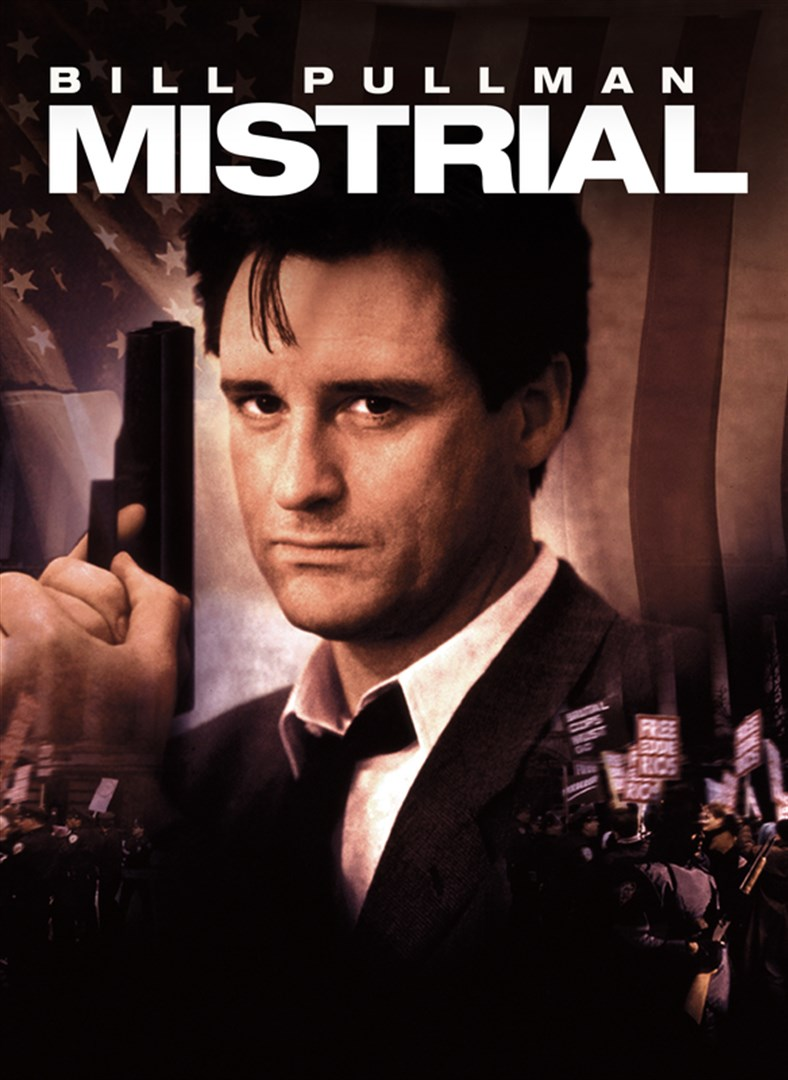
Film Review: MISTRIAL (1996) *** and a 1\2 out of *****

(C) HBO/WB.
Back in the 1990s, HBO was the cable channel. It exuded class and daring, with its ability to attract top-notch Hollywood talent, in front and behind the camera, by offering filmmakers creative freedom and good budgets. These “HBO Originals”, mostly features and mini-series, offered the average viewer some of the most original and eclectic programming on TV. It was Netflix before Netflix. It was "Prestige TV" before the term was even coined.

Mistrial (1996) written and directed by filmmaker, novelist, and all around renaissance man Heywood Gould, and starring Bill Pullman in one of his best roles, is, to some extent, a case in point.

The plot (from Gould's official site): An angry cop literally kidnaps a court proceeding in a desperate bid for justice. Eddie Rios stands accused of the murder of two police officers, but he’s found not guilty due to a lack of proper evidence. Steve Donohue, the detective who brought Rios in, is outraged by this decision, and in a burst of anger he pulls his gun and holds the defendant, the judge, and the jury hostage, demanding they immediately retry Rios, with Donohue presenting evidence he was forbidden to show the jury due to legal technicalities.

It's a melodramatic high-concept, and Gould provides all involved, especially John Seda as Rios, and Robert Loggia as the police captain, ample opportunity to shine. But it's Bill Pullman as Donahue, a cop at the end of his rope, who pulls the whole thing together, with a performance that is nothing short of a career highlight. Although Gould tries to keep things gritty and even-handed, his direction is too staid, too flavorless for its own good. Still, Pullman overcomes the faults in the writing and directing, playing off an invested Seda, who takes a thankless role and imbues it with enough gravitas and pathos to make it palatable.

While the final twist isn't much of a revelation, and many of Gould's technical choices leave something to be desired, Mistrial mostly works because of Pullman, and a script that dares to ask uncomfortable questions about what it takes to maintain law and order, and the problem of criminals hiding behind political correctness and public sentiment. And, most of all, Mistrial doesn't pander, to anyone. Something HBO and other major Hollywood players seem to be doing a lot of these days.

Text © Ahmed Khalifa. 2022.

Ahmed Khalifa is a filmmaker and novelist. He is the writer/director of several short films and a feature, which was released on Netflix, and the author of a number of novels and short stories, including the YA horror novel, Beware The Stranger, available on Amazon. He is also the host of The Dark Fantastic Podcast. Find him on Twitter @AFKhalifa and on Facebook @DFantasticPodcast

Wednesday, March 23, 2022

The Overlook: THE CARD COUNTER (2021) - THE CAVES OF NIGHT by John Christopher - THE LOST CITY (2005)

Listen to the reviews:
Listen to "Reviews: The Lost City - The Card Counter - The Caves of Night" on Spreaker.

(C) Focus Pictures.

The Card Counter (2021): Paul Schrader is a brilliant filmmaker, when he wants to be. American Gigolo, Forever Mine, and First Reformed are great films. But when he loses control of his talent, like in Dog Eat Dog, for example, look out. The Card Counter is not as bad as that, but it’s not very good, either. It’s an example of a filmmaker more interested in his message, in teaching his audience, than in making a good movie. The performances feel unpolished, the characters are uninteresting, and the story just isn't compelling in any way. A disappointing misfire from a singular filmmaker.

Thursday, January 27, 2022

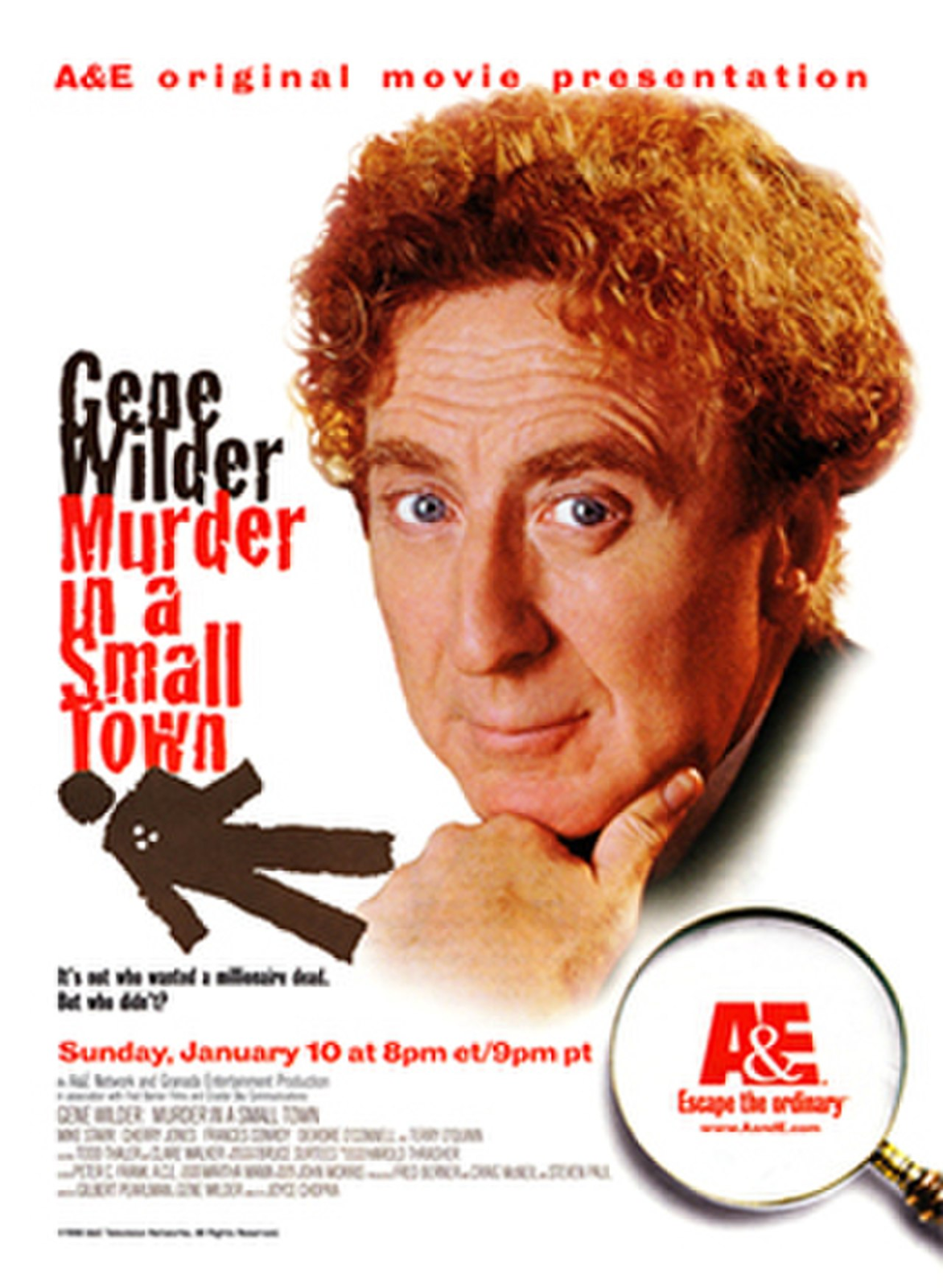
Double-Feature Review: MURDER IN A SMALL TOWN/THE LADY IN QUESTION (1999)

After a string of hits in the 1970s and 1980s, a few of which he either wrote, co-wrote, or directed, Gene Wilder’s fame started to slow down, with a number of critical and box-office disappointments. After a stint on network TV with his own sitcom, Something Wilder (1994-95), and a battle with cancer, which he eventually won, Wilder was content to ease into semi-retirement, appearing in small plays, and doing a number of cameos in TV movies.

Which brings me to Murder in A Small Town and The Lady in Question, two TV movies that aired on A&E in 1999. These two delightful mysteries, co-written and starring Wilder and directed by Joyce Chopra, and set in 1930s Connecticut, allow Wilder to showcase his talents as an actor and writer, and were the last time he ever took a starring role.

Murder in A Small Town, the better of the two features, introduces Wilder as Larry “Cash” Carter, a former actor now working as a director in a local theater, who gets entangled in a complex mystery involving the death of a local millionaire who has a long list of enemies. Wilder, and his charming supporting cast (which includes Cherry Jones and Mike Starr), glide through the film with an easy, likable panache, and the whole affair comes off as classy, stylish, and wonderfully entertaining for fans of classic mysteries.

The second feature, The Lady in Question, is more problematic, but still enjoyable, with its serpentine plot involving Nazis and espionage, large cast, and unexpected denouement. But it comes off as less polished and slightly incoherent, with a meandering script, and surprisingly less focus on Wilder’s character, who somewhat takes a backseat throughout most of the film.

The tone is also less consistent and more self-indulgent. But still, this is a classy piece of work, and a great choice for a winter night.

Both films showcase Wilder at his most versatile and laid-back, and are a must watch for his fans and fans of classic mysteries.

Text © Ahmed Khalifa. 2022.

Video Version:


Ahmed Khalifa is a filmmaker and novelist. He is the writer/director of several short films and a feature, which was released on Netflix, and the author of a number of novels and short stories, including the YA horror novel, Beware The Stranger, available on Amazon. Find him on Twitter @AFKhalifa and on Facebook @Dark.Fantastic.AK·Writer